What is Shift at Midnight gameplay like?
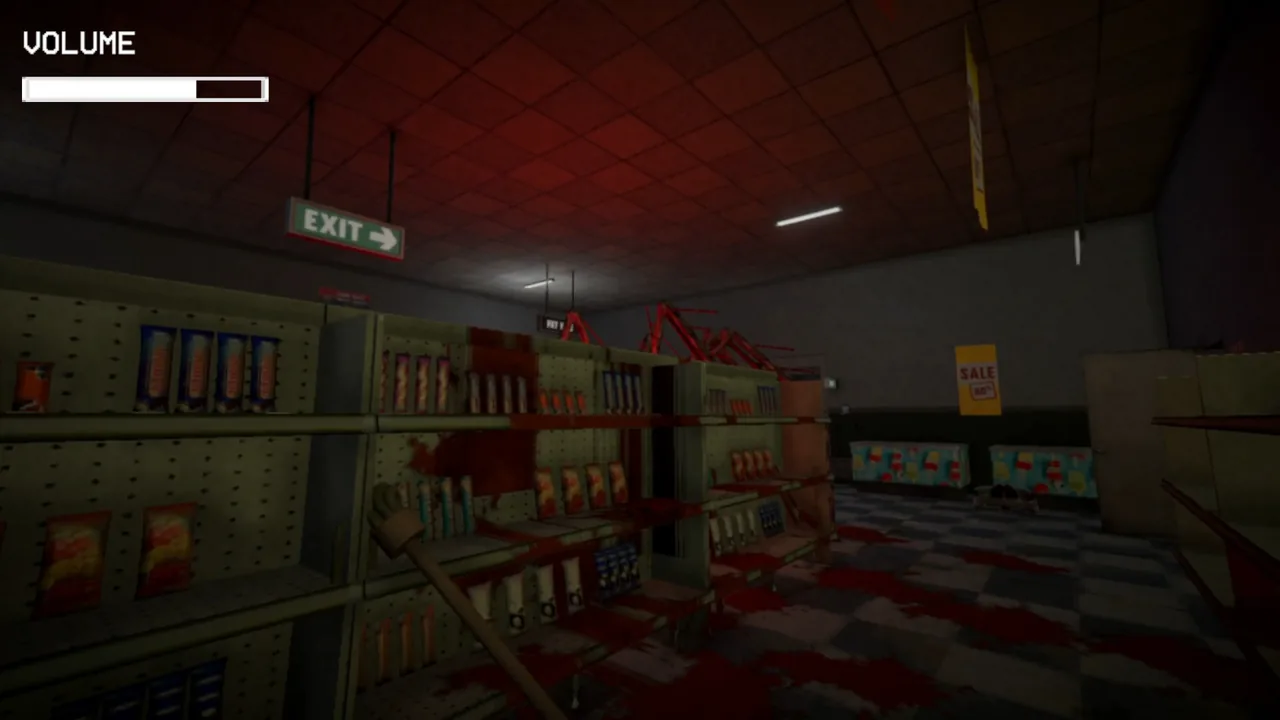
Shift at Midnight combines two jobs that compete for the same attention. You must operate a gas station well enough to meet its nightly quota while investigating whether each customer is human. A missed doppelganger can return later in the shift, changing the game from workplace management into direct survival.
| Pressure | Confirmed actions | What failure changes |
|---|---|---|
| Store operations | Stock shelves, receive deliveries, clean, serve customers, sell enough to meet quota | Unfinished work creates movement and attention pressure |
| Customer verification | Ask questions, inspect ID, cross-check the terminal record, observe behavior | A released doppelganger may return as a monster |
| Emergency response | Barricade doors, place traps, use available weapons, move, hide | Survival replaces ordinary service as the immediate priority |
This loop is the stable foundation described on both the Steam and Xbox storefronts. Individual customer order, timing, and events can vary because the full game advertises randomized shifts. For launch timing, price, and platform availability, use the release date and platforms record.
Run the station without losing the counter
The ordinary job is not background decoration. Official descriptions name shelf stocking, deliveries, cleaning, customer service, product sales, and quota management as active responsibilities. The expanded February 2026 demo update also added work outside the store: filling fuel tanks and searching vehicles.
A reliable work cycle is deliberately short:
- Finish the customer currently at the counter.
- Complete one nearby stock, cleaning, delivery, or forecourt task.
- Return before the next investigation becomes rushed.
- Keep walkways and interaction points clear for a possible escalation.
In co-op, split attention rather than sending every player to the same task. One person can own the counter, one can handle floor or forecourt work, and the third can watch behavior, move supplies, and confirm the final customer call.
Investigate with four evidence channels
The Xbox description says players may ask each customer five questions. Questions are only one evidence channel; the storefronts also identify document inspection, computer cross-checking, and behavior observation.
| Channel | What to do | Common mistake |
|---|---|---|
| Questions | Use the available prompts and hear the complete answer | Treating one unusual answer as the whole case |
| Identification | Read every visible field and portrait detail | Checking only the name or photograph |
| Terminal record | Compare the database entry field by field | Relying on memory instead of the live record |
| Behavior | Observe the customer before and after paperwork | Using a vague feeling instead of a describable sign |
Use the same order every time. Consistency makes it easier to identify which check was skipped after a bad decision. The full ID protocol turns these channels into a repeatable counter routine.
Systems introduced in the expanded demo
An official Steam announcement for the February 2026 demo update documented several additional systems:
- a health bar and damage state;
- pockets for carrying inventory;
- personalized store reviews based on service quality;
- a randomized company shop on the terminal;
- hats and store decorations;
- a break-room spin wheel;
- save files so a survived shift does not require restarting from the beginning;
- widescreen and ultrawide monitor support.
These are reliable records of the expanded demo build. This manual does not silently promote their exact values, unlock timing, or unchanged behavior into full-release facts. The systems can be recognized by name, while numeric limits and progression details remain pending live-build verification.
Version Boundary: The same announcement states that the expanded demo’s first shift stays static while its later customer pool is randomized. The full game is separately advertised as a 13-shift randomized Story Mode. Do not use a memorized demo sequence as a universal full-game route.
What progression is confirmed
The developer describes Story Mode as 13 Nights. Steam also lists character customization, while the expanded demo announcement documents hats, decorations, the company shop, reviews, and save support.
A later official announcement adds the opening pet objective: choose a cat, husky, puppy, or goose before the first shift, then make enough personal profit to buy medicine within the first three shifts. Successful players can bring the pet to work, where it wanders the store and helps clean some mess. See Pets & Medicine for the exact public boundary.
What remains unconfirmed publicly is the exact currency economy, medicine cost, unlock table, shop pool, review thresholds, and what carries between every mode.
For the known mode boundary, read Demo vs Full Game. For the planned post-launch survival mode, see Endless Mode.
First-shift operating checklist
- Learn the counter, terminal, stock, delivery, forecourt, and hiding locations.
- Keep customer verification separate from the surrounding store task.
- Use all available evidence channels before making a final call.
- Say mismatches aloud in co-op so another player can confirm them.
- Keep pockets and defensive supplies organized rather than scattered.
- When a threat escapes, stop treating the shift as normal retail work.
- After a failure, record the missed check and the build—not just the attack.